31 May 2026
Tracing Payment Channels That Advance Players From Entry Rewards to Premium Status in Mobile Slots, Live Tables, and Sports Markets
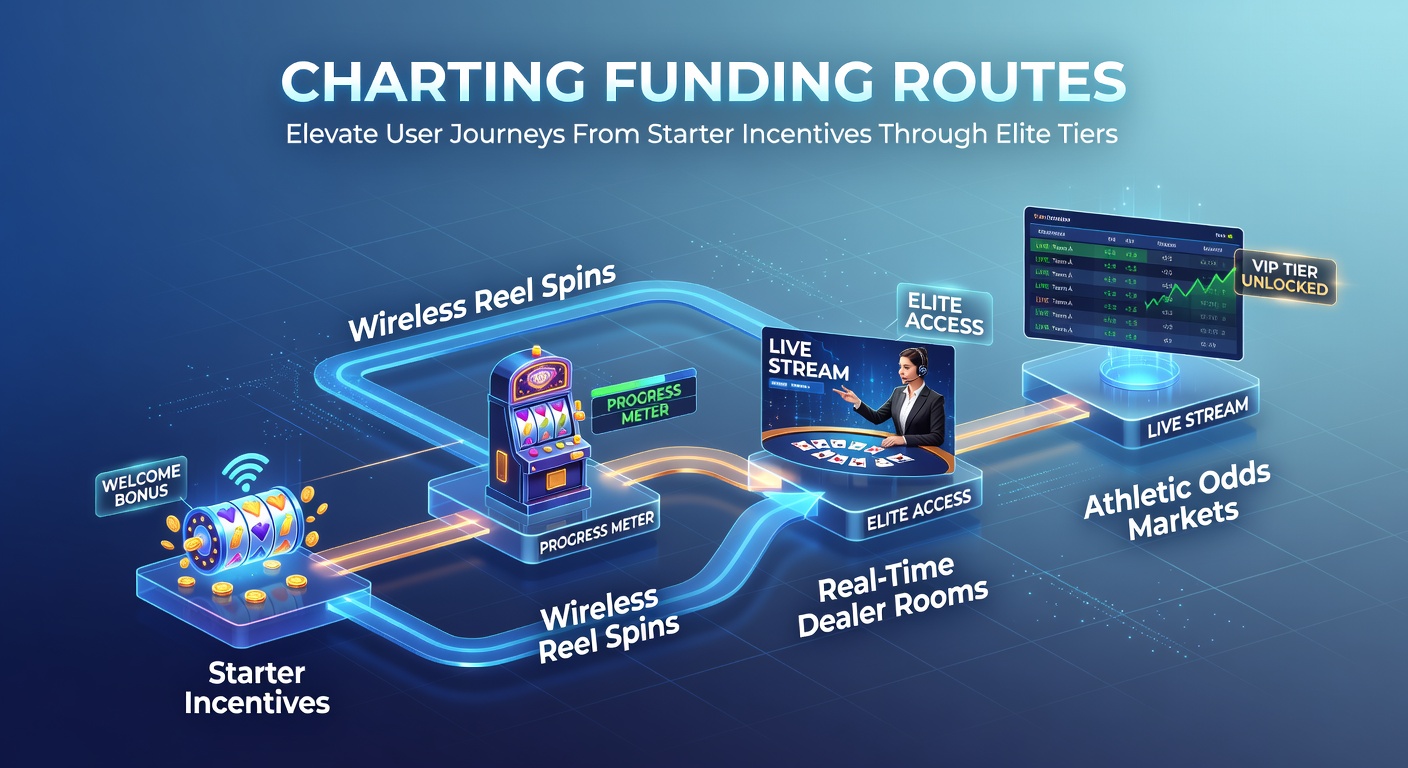
Payment systems in online gaming have developed structured routes that move participants from initial deposit incentives toward advanced loyalty levels, and these pathways operate across wireless reel spins, real-time dealer rooms, and athletic odds markets. Data from industry reports shows that operators integrate multiple funding options including cards, e-wallets, and bank transfers to support seamless progression through bonus stages while maintaining compliance with regional standards.
Initial Funding Steps and Starter Incentives
Operators design entry-level deposit methods to activate welcome packages that introduce users to slots, live dealer sessions, and sports wagering platforms. According to figures from the Nevada Gaming Control Board, average first deposits in 2025 ranged between £10 and £50, with many systems crediting matching bonuses or free spins immediately upon transaction confirmation. These starter routes rely on instant verification tools that reduce delays and allow players to begin exploring reel mechanics or placing early wagers without extended waits.
Card payments and popular digital wallets handle the majority of opening transactions because they provide quick authorization and built-in security layers. Research published by the University of Nevada Reno indicates that platforms using multi-currency support see higher completion rates for these early incentives, particularly when users select options already familiar from everyday banking. The process creates a direct link between the funding choice and the activation of tier-entry rewards.
Mid-Level Progression Through Tiered Rewards
Once participants complete initial deposits, systems track activity to unlock intermediate benefits that bridge toward higher status. Deposit frequency, total volume, and game variety contribute to points accumulation that feeds into loyalty structures spanning slots, dealer tables, and betting markets. One study by the European Gaming Institute revealed that e-wallet users often advance faster because recurring transfers carry lower fees and integrate with automated reward triggers.
Platforms maintain separate tracking for each vertical, so reel spin volume contributes to one set of milestones while live dealer participation and sports stake totals feed parallel counters. This segmented approach ensures balanced progression rather than favoring a single format. Operators update these metrics in real time, allowing users to monitor advancement through account dashboards.
Elite Tier Access and Sustained Funding Routes
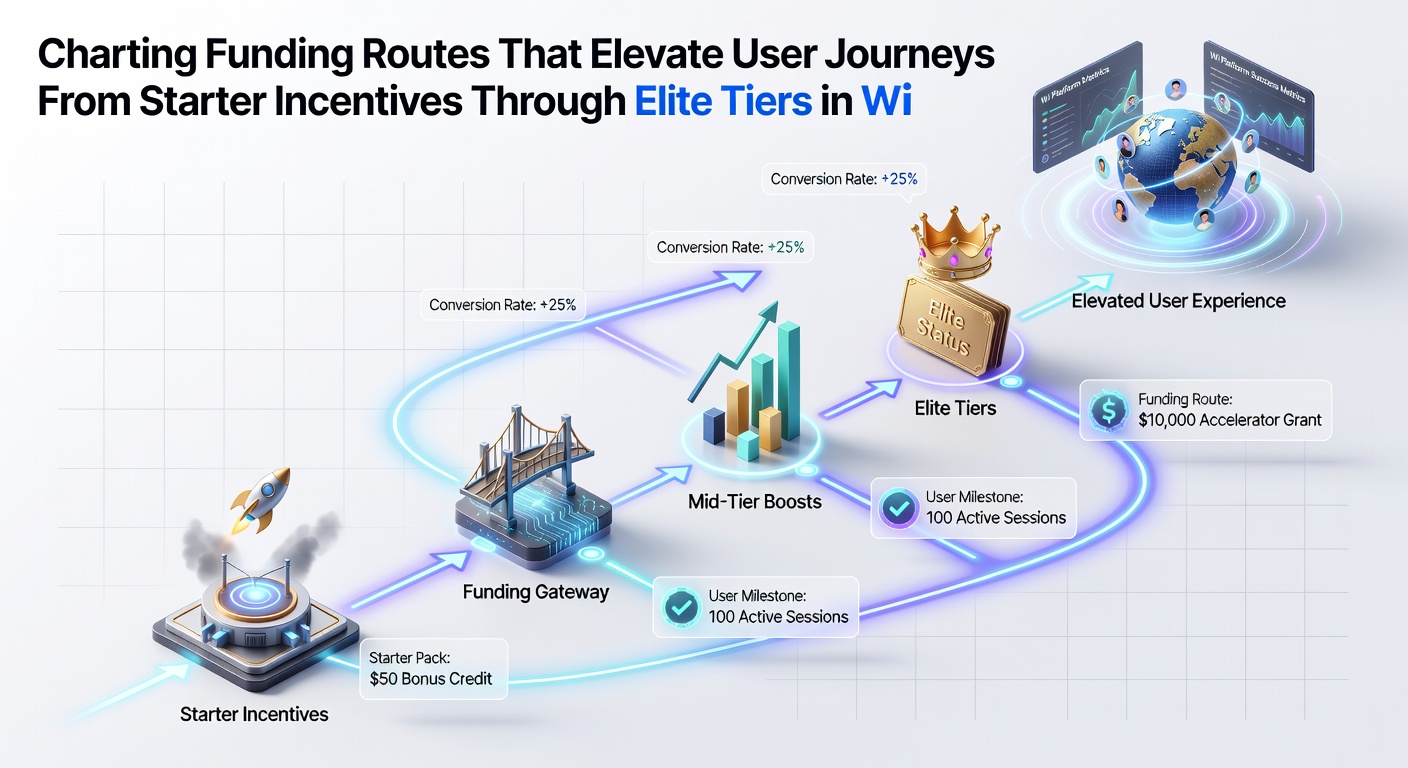
Reaching premium levels requires consistent funding patterns that demonstrate sustained engagement across all three categories. Data compiled by the Australian Communications and Media Authority shows that VIP participants typically maintain monthly deposit averages exceeding £500, supported by dedicated account managers who recommend optimized payment schedules. These high-status routes often include exclusive transfer options such as direct wire services or branded prepaid solutions that bypass standard processing queues.
Elite benefits frequently include accelerated cashback percentages, personalized bonus structures, and priority event access in sports markets. The transition to these tiers depends on verifiable transaction history rather than single large deposits, which encourages steady use of preferred channels. Observers note that platforms offering tier-specific funding perks report improved retention rates through May 2026 projections.
Cross-Vertical Integration of Payment Tools
Modern systems allow one funding method to serve multiple game types without requiring separate setups. A single e-wallet account can fund reel sessions, support live dealer buy-ins, and cover sports stake placements while accumulating unified loyalty points. This integration reduces friction and lets users maintain momentum toward elite status regardless of preferred activity.
Industry analyses from the Canadian Gaming Association highlight that operators providing unified wallets see increased cross-category play, with participants moving between slots and betting markets more frequently when transaction limits and fees remain consistent. Security protocols such as two-factor authentication apply uniformly, protecting the entire journey from starter deposits through premium tiers.
Regulatory Influences on Funding Pathways
Regional rules shape which payment options remain available and how quickly rewards activate. Authorities in various jurisdictions require operators to verify funding sources before releasing larger tier benefits, creating checkpoints that affect progression speed. These measures ensure transparency while still permitting efficient movement for compliant users.
Payment providers adapt their services to meet evolving standards, introducing features like instant settlement confirmations that align with operator timelines for bonus releases. The result is a network of channels that supports both regulatory adherence and user advancement across gaming formats.
Conclusion
Payment routes in these sectors function as interconnected systems that carry participants from initial incentives through intermediate milestones to elite recognition. Evidence from regulatory bodies and academic sources demonstrates that diversified funding options, when paired with transparent tracking, enable steady advancement in slots, live dealer environments, and sports markets. Continued refinement of these channels through 2026 supports structured user progression while meeting compliance requirements across regions.