24 May 2026
Payment Systems That Trigger Multi-Level Incentives in Mobile Live Dealer Experiences and Sports Markets
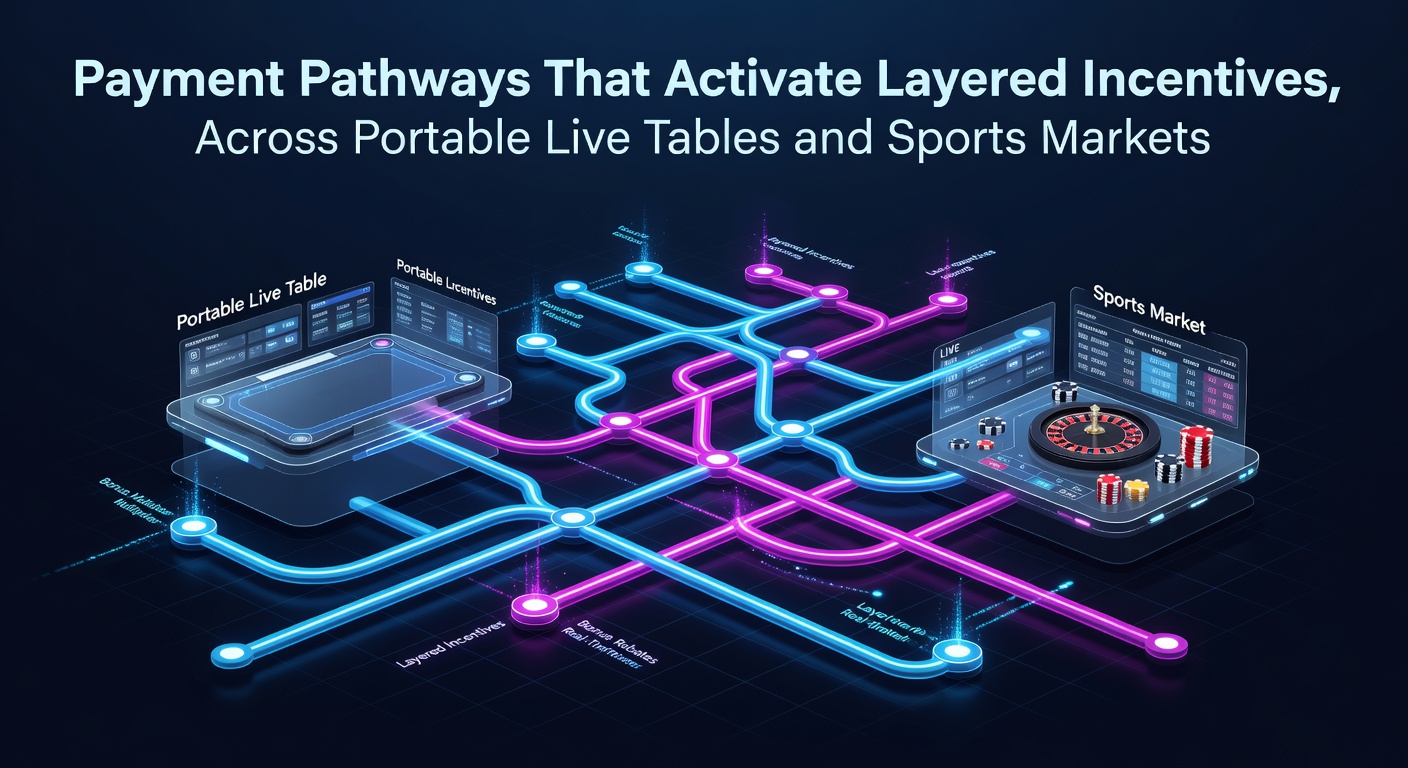
Payment pathways now connect directly to incentive structures that reward users across mobile live dealer tables and sports markets through sequenced deposits, instant verifications, and progressive reward unlocks, while operators track transaction patterns to release tiered bonuses without manual intervention. Data from industry reports shows these integrations have expanded in markets where mobile traffic accounts for over 70 percent of total activity, with systems designed to activate base rewards on first deposits, then escalate to higher tiers based on volume and frequency.
Mechanics of Integrated Payment Routes
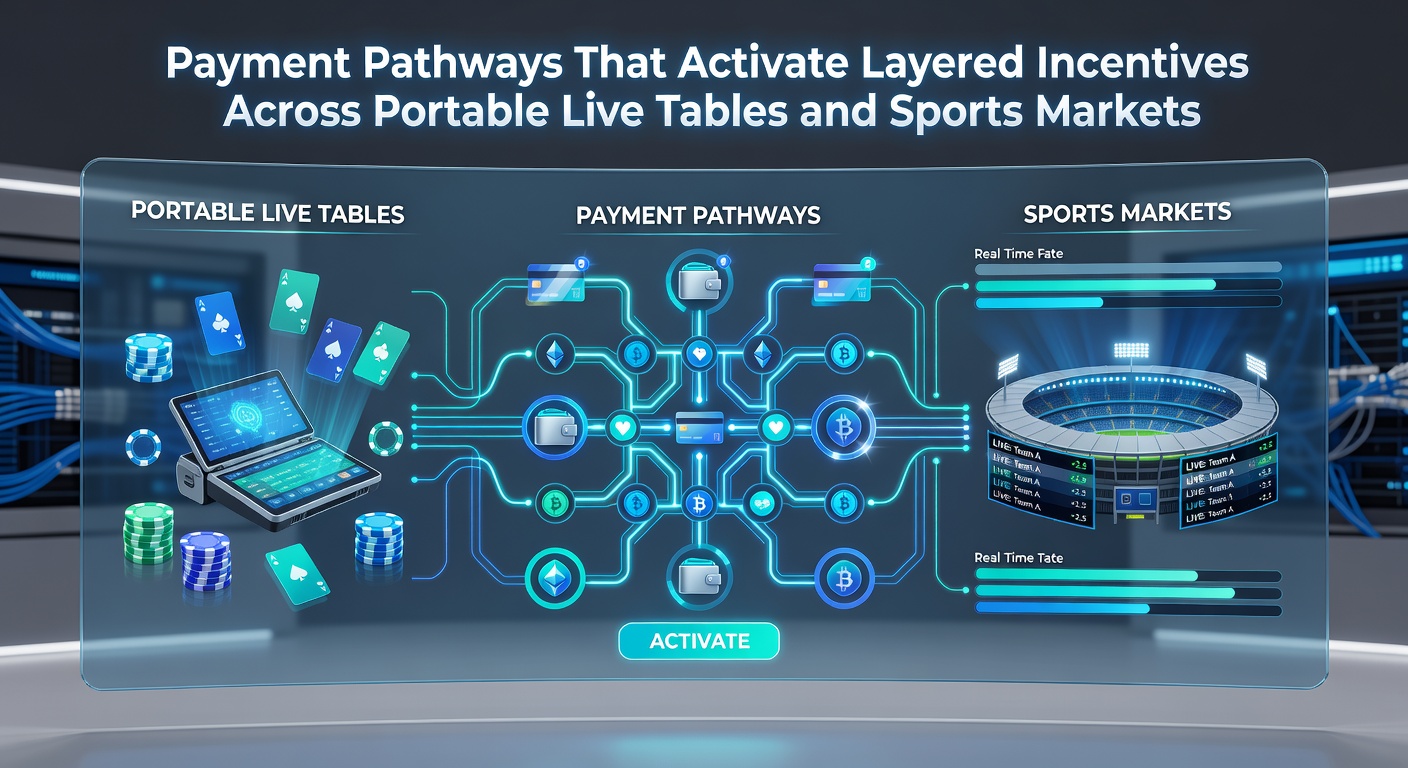
Operators route transactions through e-wallet providers and bank APIs that embed verification codes triggering automatic bonus credits, so a deposit processed in under 10 seconds can simultaneously credit a welcome multiplier, unlock a cashback layer, and advance a loyalty meter toward the next status level. Those who've studied transaction logs note that sports markets often link payment speed to event-specific promotions, whereas live table sessions tie the same pathways to table minimum adjustments and dealer game access passes.
Systems separate payment rails into categories such as instant bank transfers, digital wallet top-ups, and card authorizations, each mapped to distinct incentive branches that activate only when certain thresholds are met, which prevents overlap and allows simultaneous stacking across live dealer rooms and pre-match sports wagers. Research from the Nevada Gaming Control Board indicates that platforms using unified rails report higher repeat transaction rates compared to those relying on separate bonus portals.
Layer Activation Across Live Tables
Portable live dealer environments use payment confirmations to release layered access that begins with standard table entry, then adds features like priority seating, exclusive side-bet options, and multiplier boosts once cumulative deposit values cross predefined marks. Observers note that these layers remain dormant until the pathway confirms settlement, after which the system pushes notifications detailing remaining steps to unlock the subsequent tier within the same session.
Live table operators further segment incentives by game type, so blackjack pathways might release insurance credits while roulette pathways unlock neighbor bet vouchers, each triggered by the same initial deposit but differentiated through backend tagging that reads game metadata at the moment of transfer. Figures from the 2025 Canadian Gaming Association annual review reveal that live dealer segments using these tagged pathways experienced a 22 percent rise in session duration compared to untagged alternatives.
Sports Market Integration Patterns
Sports betting platforms embed similar logic into pre-match and in-play markets, where payment confirmation simultaneously activates stake boosts, cash-out protections, and accumulator insurance that scales with the number of linked deposits over a rolling period. Experts have observed that these activations often coincide with fixture schedules, allowing pathways to release event-timed layers that expire shortly after match start, which keeps incentive flow synchronized with betting windows.
Portable interfaces display layered progress bars that update in real time as payments clear, giving users visibility into remaining thresholds for the next sports-specific reward such as enhanced odds or free bet tokens. A report published by the University of Sydney's Gambling Research Unit in early 2026 documented that sports markets employing payment-triggered layers recorded elevated engagement metrics during major tournaments, with average bet counts per user rising in direct proportion to the number of active layers.
Developments Projected for May 2026
Industry analyses anticipate that by May 2026 several jurisdictions will require payment providers to include standardized incentive disclosure tags within transaction receipts, which would allow portable apps to display exact layer values before users commit funds. Regulators in multiple regions have already begun pilot programs testing these disclosures, with results expected to inform broader rollout timelines.
Operators continue refining cross-market pathways that let a single deposit activate parallel incentives in both live table sessions and sports accumulators, reducing friction while maintaining separate tracking ledgers for each vertical. Data indicates that platforms adopting unified ledgers achieve faster reconciliation cycles and fewer user queries regarding missing rewards.
Conclusion
Payment pathways now function as the primary activation mechanism for layered incentives that span mobile live dealer tables and sports markets, with systems designed to read transaction metadata, apply category-specific rules, and release rewards in sequence without additional user input. As these integrations mature, transaction rails increasingly serve dual roles as both settlement tools and reward engines, supporting the operational requirements of portable platforms that operate across time zones and event calendars.