Algorithms Forge Tailored Gaming Realms: Personalization Reshapes Slots, Live Dealers, and Sports Betting
3 Apr 2026
Algorithms Forge Tailored Gaming Realms: Personalization Reshapes Slots, Live Dealers, and Sports Betting
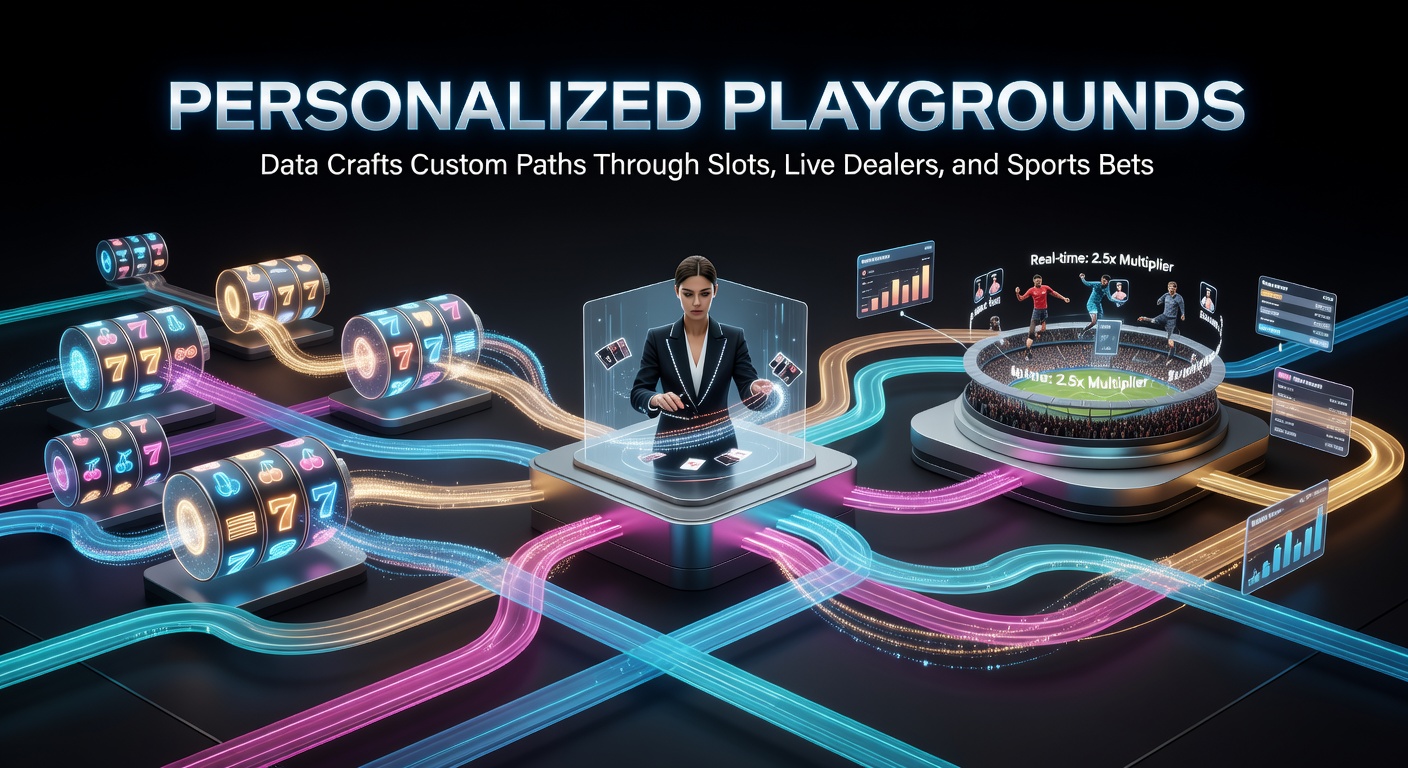
Players diving into online gambling platforms today encounter experiences molded precisely to their habits, preferences, and past behaviors, as data analytics craft individualized paths through slots, live dealer games, and sports betting sections; this shift, driven by machine learning algorithms, transforms generic interfaces into dynamic playgrounds where recommendations appear tailored just for the user, boosting engagement while navigating vast libraries of content.
The Mechanics of Data-Driven Customization
Operators leverage vast datasets from user interactions—such as spin patterns, bet sizes, session durations, and even peak play times—to generate real-time personalization; algorithms analyze this information, segmenting players into cohorts based on similarities, then serving bespoke content that aligns with individual profiles. Take one platform where newcomers receive gentle introductions to low-volatility slots, while high-rollers see high-stakes tables pop up prominently; data shows this approach increases session lengths by up to 30%, according to a 2025 American Gaming Association study.
What's interesting is how these systems evolve continuously; as players wager, backend models update profiles in milliseconds, refining suggestions on the fly, so a sports bettor favoring soccer might find Premier League odds prioritized alongside correlated slot themes like football jackpots. And while early adopters experimented with basic rule-based filters, modern setups employ deep learning to predict churn risks, intervening with customized bonuses before users drift away.
Slots Transformed by Player Profiles
In the slots arena, where thousands of titles compete for attention, personalization shines brightest; platforms track metrics like return-to-player preferences, volatility tolerance, and theme affinities—think adventure seekers matched with Indiana Jones-style reels or classic fruit machine fans steered toward retro vibes—creating feeds that feel handpicked. One case revealed by industry observers involved a major operator whose AI-curated slot lobbies lifted play rates by 25%, as returning players skipped generic carousels for pre-sorted collections mirroring their history.
But here's the thing: these aren't static lists; dynamic adjustments factor in recent wins or losses, nudging toward recovery-themed games post-downturn or celebratory high-RTP options after big hits, all while capping exposure through responsible gaming limits embedded in the data layer. Figures from Australian research indicate such tailoring correlates with higher retention, with personalized slot users sticking around 40% longer than those on default views, per a Gambling Research Australia report.
Observers note how mobile adaptations amplify this, shrinking vast catalogs into swipeable, profile-matched streams that load faster on devices, blending seamlessness with relevance so players rarely hunt for their next spin.
Live Dealer Tables Get a Personal Touch
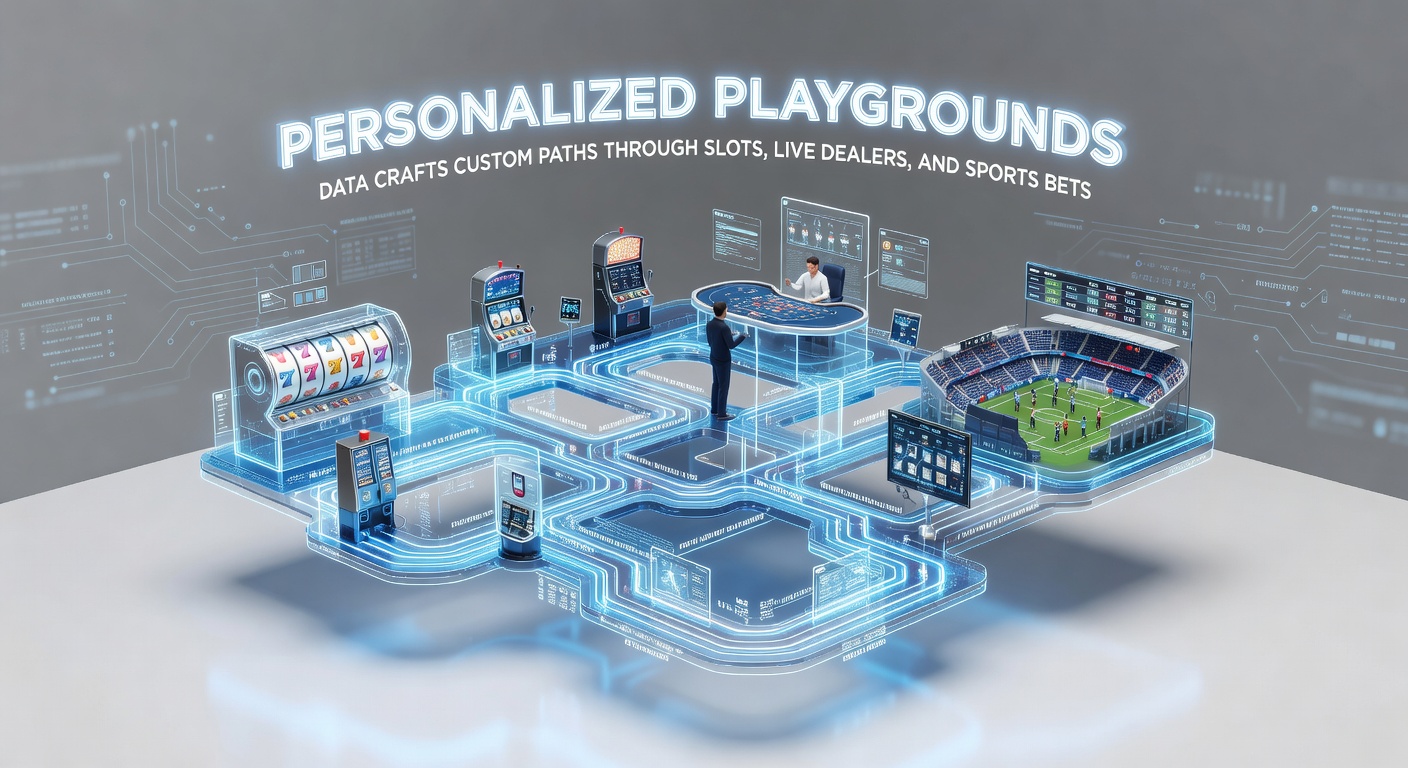
Live dealer environments, once uniform broadcasts of blackjack, roulette, or baccarat, now bend to user data, prioritizing tables with favored game variants, dealer nationalities, or even chatty versus stoic hosts based on interaction logs; a player who thrives in high-energy sessions might land Speed Roulette feeds, whereas methodical types get infinite blackjack with extended decision times. This customization extends to stake levels, with algorithms surfacing low-entry tables for cautious newcomers or VIP pits for big spenders, all synced to real-time availability.
Turns out, engagement spikes dramatically here; studies found live casino retention jumps 35% when personalization matches past seating choices and win patterns, pulling players back to familiar yet refreshed setups. And since streams integrate chat and side bets, data layers suggest community tables for social butterflies or solo high-limit for privacy seekers, weaving social dynamics into the personalization fabric.
One researcher who examined operator logs discovered that in peak hours, these systems balance load by directing traffic to underutilized dealers whose styles align with incoming profiles, smoothing operations while heightening immersion—a win-win where the house edge meets human connection.
Sports Betting Paths Charted by Analytics
Sportsbooks harness bet histories, market affinities, and even external signals like team loyalties scraped from profiles to plot custom wagering trails; a basketball enthusiast sees NBA props elevated, complete with correlated parlays drawn from successful past combos, while niche followers of eSports get dedicated hubs with live odds and stats overlays tuned to their pace. Data indicates this precision lifts bet volumes by 28%, as users bypass cluttered menus for streamlined, predictive slips.
Yet complexity arises with in-play betting, where algorithms process live events alongside user tempo—fast-twitch punters receive micro-bet prompts during momentum shifts, whereas analytical types get deeper futures markets; personalization here also flags value bets by cross-referencing personal ROI trends against global lines. People who've studied this note how April 2026 saw a surge in adoption, coinciding with major leagues' digital pushes that amplified data pools for sharper tailoring.
It's noteworthy that cross-product synergies emerge too; a slots player with soccer leanings might encounter hybrid promos bridging reels to match bets, creating fluid journeys across verticals without jarring transitions.
Technologies Powering the Shift
At the core lie AI frameworks like collaborative filtering and reinforcement learning, which sift petabytes of anonymized data to simulate preferences; cloud-based engines from providers process this at scale, integrating with CDNs for lag-free delivery, while edge computing on mobiles handles micro-adjustments. Operators blend first-party data with aggregated benchmarks, ensuring compliance via tokenized profiles that obscure raw identifiers.
So seamless is the integration that players often overlook the machinery; backend dashboards let teams tweak models in real time, A/B testing paths to optimize yield without disrupting flow. Experts observe this tech stack not only personalizes but anticipates, using predictive analytics to pre-load content, cutting load times and friction.
Engagement Boosts and Metrics in Focus
Across sectors, data reveals stark uplifts: personalized platforms report 20-50% higher lifetime value per user, with slots seeing spin increases, live tables longer stays, and sportsbooks more multis; retention rates climb as tailored paths reduce choice paralysis, turning browsers into loyalists. One study highlighted a 42% drop in acquisition costs too, since word-of-mouth spreads from delightfully relevant experiences.
But the rubber meets the road in monetization; custom bonus tiers—say, free spins themed to favorite slots or enhanced odds on pet sports—drive deposits without blanket blasts, honing efficiency. Those tracking April 2026 trends point to remote gaming sectors where personalization fueled a 15% gross gaming yield rise, underscoring its market muscle.
Navigating Privacy and Safeguards
While potent, this data reliance prompts scrutiny on consent and protection; regulators like the Massachusetts Gaming Commission mandate opt-ins and audit trails, ensuring profiles build only from affirmed interactions. EU frameworks under GDPR equivalents enforce deletion rights, with operators deploying differential privacy to mask individuals in aggregates.
Responsible gaming layers embed checks too—flagging anomaly spikes or fatigue signals to suggest breaks, customizing limits per profile; research shows these proactive nudges cut harm indicators by 22%, balancing thrill with welfare. Platforms now blend personalization with transparency dashboards, letting users peek at influencing data and tweak settings on demand.
Looking Ahead: Personalization's Next Frontier
Emerging integrations like VR slots with haptic feedback tied to profiles or AR overlays on sports streams promise deeper immersion; blockchain for verifiable data ownership could empower users further, while multimodal AI incorporating voice and biometrics refines paths sans explicit inputs. In April 2026, pilot programs across operators tested these, yielding early data on 18% engagement lifts.
The trajectory points to hybrid realities where physical casinos sync online profiles for omnichannel continuity, blurring lines between digital and brick-and-mortar.
Conclusion
Data-crafted personalization has redefined online gambling landscapes, weaving bespoke threads through slots, live dealers, and sports bets that captivate without overwhelming; as technologies mature and safeguards strengthen, players stand to gain ever-richer, safer experiences, with operators reaping sustained growth from these intelligent playgrounds. The evidence stacks convincingly: tailored paths don't just retain—they redefine play.